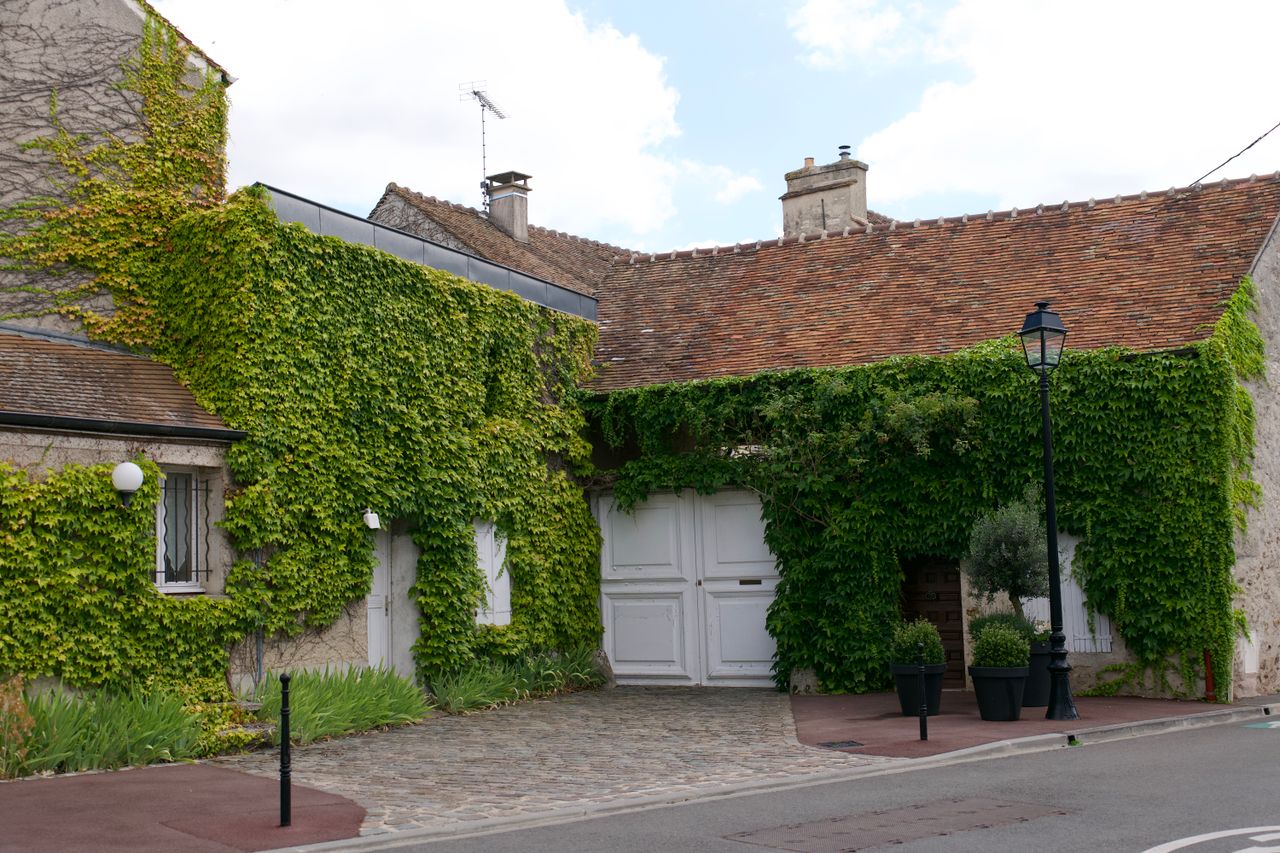
Ivy is often admired for the character and charm it brings to a property, creating a timeless, cottage-style appearance. While it can certainly enhance kerb appeal, many homeowners wonder whether it poses a risk to their home’s structure. The truth is that ivy and brickwork have a more complicated relationship than you might think.
Does Ivy Damage Brickwork?
Ivy itself doesn’t usually damage sound, well-maintained brickwork. Contrary to popular belief, the plant’s aerial rootlets don’t burrow into bricks or mortar. Instead, they cling tightly to the surface, allowing the plant to climb walls and other structures.
However, problems arise when brickwork is already in poor condition. Crumbling mortar, loose bricks or existing cracks provide weak points that ivy can exploit. As the plant grows thicker and heavier, it can place additional strain on damaged areas, causing the deterioration to worsen over time.
Older Properties Are More Vulnerable
Historic homes and older buildings are particularly susceptible because their mortar is often softer than modern alternatives. If ivy becomes established on ageing brickwork, it can accelerate the breakdown of already weakened joints, making repairs more extensive and costly.
Regular inspections are essential if you have ivy growing on an older property.
Moisture Can Become a Problem
Dense ivy acts like a natural blanket over exterior walls. While this can offer some insulation from extreme temperatures, it also reduces airflow, meaning walls take longer to dry after rainfall.
If moisture becomes trapped behind thick growth, it may contribute to:
- Damp patches inside the home
- Frost damage during winter
- Moss and algae growth
- Deterioration of mortar joints
Homes with existing damp issues may find these problems become more pronounced if ivy is left unmanaged.
Hidden Defects
One of the biggest concerns with ivy is that it hides what’s happening underneath. Cracks, missing mortar, damaged bricks and even signs of pest activity can remain unnoticed for years beneath dense foliage.
By the time the ivy is removed, the underlying damage may be far more significant than expected.
Gutters and Rooflines
Ivy doesn’t stop at walls. Left unchecked, it can creep beneath roof tiles, block gutters and grow around fascias and soffits. This can prevent rainwater from draining properly, increasing the risk of water damage to both the roof and brickwork.
Keeping ivy trimmed away from rooflines is just as important as maintaining the walls themselves.
Is There Any Benefit to Ivy?
Surprisingly, ivy isn’t all bad. When growing on solid, well-maintained walls, it can provide several benefits, including:
- Improved biodiversity by providing shelter for birds and insects
- Some protection from driving rain
- Reduced exposure of brickwork to direct sunlight
- Aesthetic appeal for period and countryside homes
The key is regular maintenance. Well-controlled ivy is far less likely to become a problem than growth that’s left unchecked for years.
Removing Ivy Safely
If you decide to remove ivy, avoid pulling it directly from the wall while it’s still alive. Doing so can dislodge loose mortar or bricks.
Instead:
- Cut the main stems close to ground level.
- Allow the foliage to die back over several weeks.
- Carefully remove the dried stems from the wall.
- Inspect the brickwork and carry out any necessary repairs.
If the ivy covers a large area or the property is listed or particularly old, it may be worth consulting a professional before removal.
Preventing Future Damage
To enjoy the appearance of ivy without risking your home’s exterior:
- Trim it regularly to control growth.
- Keep it away from gutters, windows and rooflines.
- Check brickwork annually for cracks or failing mortar.
- Repair damaged pointing promptly.
- Prevent ivy from reaching chimneys and roof tiles.
Routine maintenance will significantly reduce the likelihood of structural issues developing.
A Balanced Approach
Ivy isn’t automatically harmful to brickwork, but neither is it entirely harmless. On strong, well-maintained walls, it can coexist with relatively few issues. However, if your brickwork is ageing or already showing signs of wear, ivy can accelerate existing problems and conceal defects that need attention.
By keeping the plant under control and inspecting your property’s exterior regularly, you can enjoy its attractive appearance while protecting your home from unnecessary damage.
Featured image credit: by Mika Andrianarijaona via pexels.