
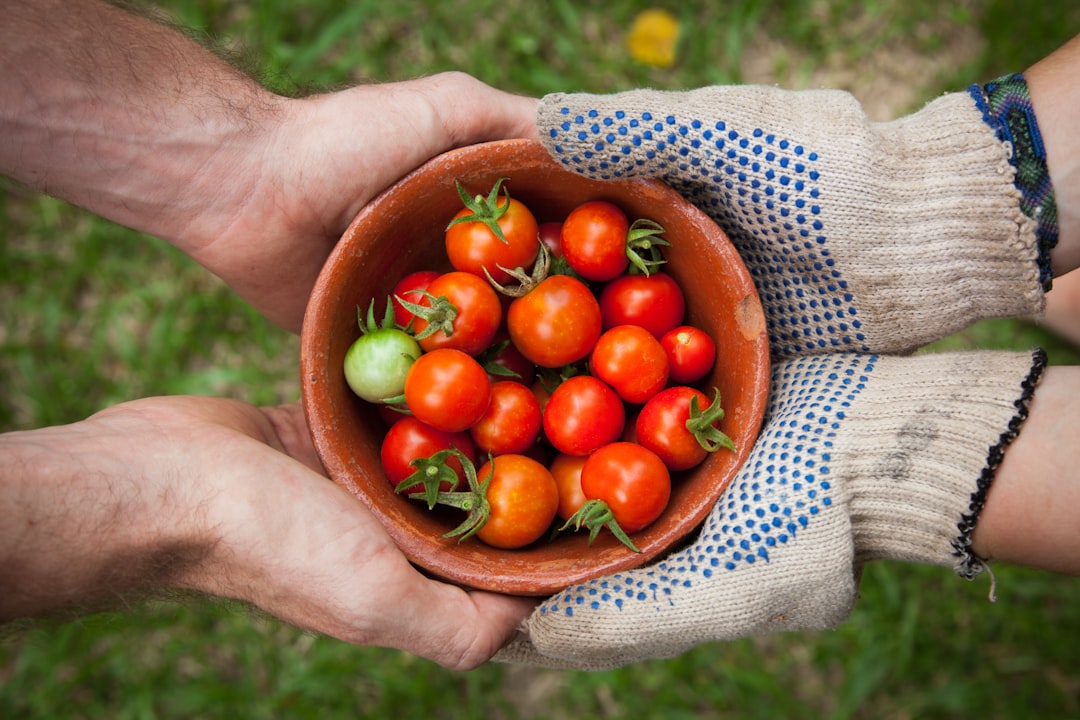
Starting your first allotment is exciting, but it can quickly become overwhelming if you plant the wrong things. Many beginners make the mistake of choosing crops that are too demanding or unpredictable, which can lead to disappointment early on. Choosing reliable, low-maintenance produce is key to building confidence and enjoying the process. That’s why understanding the best crops for allotment beginners is such an important first step in creating a productive and enjoyable growing space.
Why Choosing The Right Crops Matters
Success on an allotment often comes down to early wins. Crops that germinate easily, grow steadily, and offer a good yield will keep motivation high and reduce the risk of giving up mid-season. For beginners, it’s less about variety and more about reliability. The best crops for allotment beginners are typically hardy, forgiving, and suited to the UK climate, meaning they can tolerate inconsistent watering, variable weather, and minor mistakes.
Another important factor is time commitment. If you’re balancing work and home life, low-maintenance crops allow you to enjoy your allotment without feeling tied to it every day.
But, ultimately, grow what you like to eat! It might be that radishes are perfect crops for beginners, but if you don’t actually like them, save the room on your plot for something else.
Easy Vegetables That Deliver Results
Some vegetables are particularly well-suited to new growers because they establish quickly and don’t require specialist care.
- Potatoes: One of the most rewarding crops, potatoes are simple to grow and produce generous yields even in poor soil.
- Lettuce: Fast-growing and ideal for succession planting, lettuce offers a continuous harvest throughout the season.
- Courgettes: Known for their abundance, just one or two plants can provide more than enough produce.
- Radishes: Perfect for beginners, radishes grow quickly and are ready to harvest in just a few weeks.
These staples consistently appear on lists of the best crops for allotment beginners because they provide visible progress early on, which is crucial for building confidence.
Low-Maintenance Crops For Busy Gardeners
If you’re not able to visit your allotment daily, it’s worth focusing on crops that don’t need constant attention.
- Onions and garlic: Once planted, they require minimal intervention beyond occasional weeding.
- Rhubarb: A perennial favourite that comes back year after year with very little effort.
- Runner beans: Easy to grow and highly productive, especially in UK conditions.
These options are ideal if you want steady results without intensive care routines, making them some of the best crops for allotment beginners with limited time.
Crops That Thrive In The UK Climate
Weather can be unpredictable, so choosing crops that naturally suit British conditions is a smart move. Hardy vegetables are less likely to fail during cold snaps or wet spells.
- Carrots: Thrive in well-drained soil and are relatively low fuss.
- Beetroot: Tolerant and versatile, with both roots and leaves usable.
- Kale: Extremely hardy and capable of growing through colder months.
Selecting climate-appropriate crops ensures a higher success rate and reduces the need for protective measures such as cloches or greenhouses.
Tips For Getting The Most From Your Allotment
Even with the best crops for allotment beginners, a few practical habits can significantly improve your results.
- Start small: Focus on a manageable number of crops rather than filling every bed.
- Improve your soil: Adding compost or organic matter boosts growth and resilience.
- Water consistently: Irregular watering is one of the most common beginner mistakes.
- Label everything: It’s easy to forget what you’ve planted, especially early on.
Building these habits alongside choosing the right crops creates a strong foundation for long-term success.
Building Confidence With Every Harvest
The key to enjoying your allotment is momentum. When you see steady growth and regular harvests, you’re far more likely to stay engaged and expand your efforts over time. Starting with the best crops for allotment beginners allows you to develop practical skills without unnecessary frustration. As your confidence grows, you can begin experimenting with more challenging crops and techniques, turning your allotment into a productive and rewarding space year after year.
Featured image credit: Pexels.