
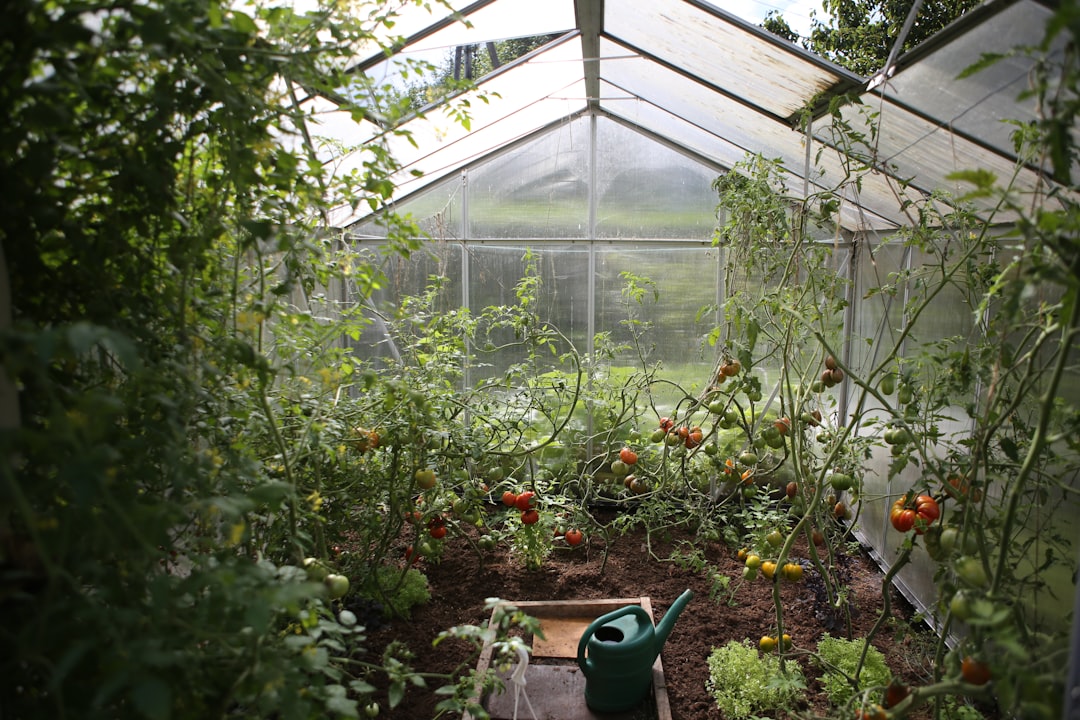
Successful gardening begins with understanding how plants grow and what they need to thrive. While every species has unique requirements, there are several fundamental principles that apply across most gardens.
By focusing on the basics, gardeners can improve plant health, increase productivity, and enjoy more reliable results throughout the growing season.
Start with the Right Location
Plant placement is one of the most important factors in gardening success.
Most vegetables and flowering plants require several hours of direct sunlight each day. Before planting, take time to observe how sunlight moves across your garden.
Matching plants to the appropriate light conditions reduces stress and encourages stronger growth.
Understand Your Soil
Healthy soil provides plants with water, nutrients, and support.
Testing soil conditions can help identify potential issues with drainage, fertility, or pH levels. Many gardening challenges can be traced back to poor soil quality.
Adding organic matter such as compost improves soil structure and supports beneficial microorganisms that contribute to plant health.
Water Properly
Watering techniques can significantly influence plant growth.
Deep, less frequent watering often encourages stronger root systems compared to shallow daily watering. Plants with deeper roots are generally more resilient during dry periods.
Early morning is typically the best time to water, allowing moisture to reach roots before temperatures rise.
Feed Plants Responsibly
Plants require nutrients to support growth, flowering, and fruit production.
Organic fertilisers and compost can provide a steady supply of nutrients while improving soil quality. Different plants have varying nutritional requirements, so it’s important to understand their specific needs.
Overfeeding can sometimes cause more problems than underfeeding, leading to excessive foliage growth and weaker plants.
Prevent Common Growing Problems
Prevention is often easier than correction.
Providing adequate spacing improves airflow and reduces the risk of fungal diseases. Regular inspections help identify potential issues before they become serious.
Removing damaged foliage, controlling weeds, and maintaining healthy growing conditions all contribute to stronger plants.
Support Healthy Root Development
Strong roots are essential for long-term plant success.
Avoid compacting soil around growing plants and ensure containers provide sufficient drainage. Healthy roots allow plants to absorb water and nutrients more efficiently.
Mulching around plants can also help protect root systems from temperature extremes and moisture loss.
Know When to Prune
Pruning encourages healthy growth and helps maintain plant shape.
Different plants require different pruning techniques and timings. Some benefit from annual pruning, while others require only occasional maintenance.
Removing dead, damaged, or diseased growth can improve plant health and appearance while reducing the spread of potential problems.
Learn from Every Growing Season
Even experienced gardeners encounter challenges. Every season provides opportunities to learn more about your garden, local conditions, and plant performance.
Keeping notes on planting dates, successes, and difficulties can help improve future results. Over time, this knowledge becomes one of the most valuable gardening tools available.
Growing healthy plants is rarely about luck. With proper planning, attention to detail, and a willingness to learn, gardeners can enjoy stronger plants, larger harvests, and a more rewarding gardening experience year after year.