As summer fades and the first signs of autumn appear, the garden starts to take on a different character. Flowers begin to finish, leaves change colour and the soil remains warm enough for plenty of planting. While it might be tempting to put your gardening tools away until spring, autumn is one of the busiest and most rewarding times of year for gardeners.
Whether you have a large garden, a small patio or an allotment, there are plenty of autumn garden jobs worth adding to your list.
Give Your Flower Beds Some Attention
September is a great time to look around your flower beds and decide what has worked well during the summer. Remove plants that have finished flowering if they are looking tired, but leave seed heads on plants such as echinacea and rudbeckia where possible. They can provide food for birds and add attractive structure to the garden during the colder months.
Autumn is also an ideal time to divide established perennials. Plants that have become overcrowded can often be lifted, split into smaller sections and replanted elsewhere. This gives them more room to grow and provides new plants for other parts of the garden without spending extra money.
Keep an eye on weeds, too. They may grow more slowly as temperatures drop, but removing them now will make spring gardening much easier.
Plant Spring Bulbs Before Winter
One of the most satisfying autumn garden jobs is planting spring-flowering bulbs. Daffodils, crocuses, hyacinths and many varieties of tulip can be planted during the autumn months, giving them time to establish before the growing season begins.
Choose a sunny or partially shaded position with reasonably well-drained soil. Plant bulbs at the depth recommended on the packet, usually around two to three times their height, and space them according to the variety.
Bulbs look particularly attractive when planted in groups rather than scattered individually. Try natural-looking clusters in lawns, borders or containers for a cheerful display when spring arrives.
Look After Your Lawn
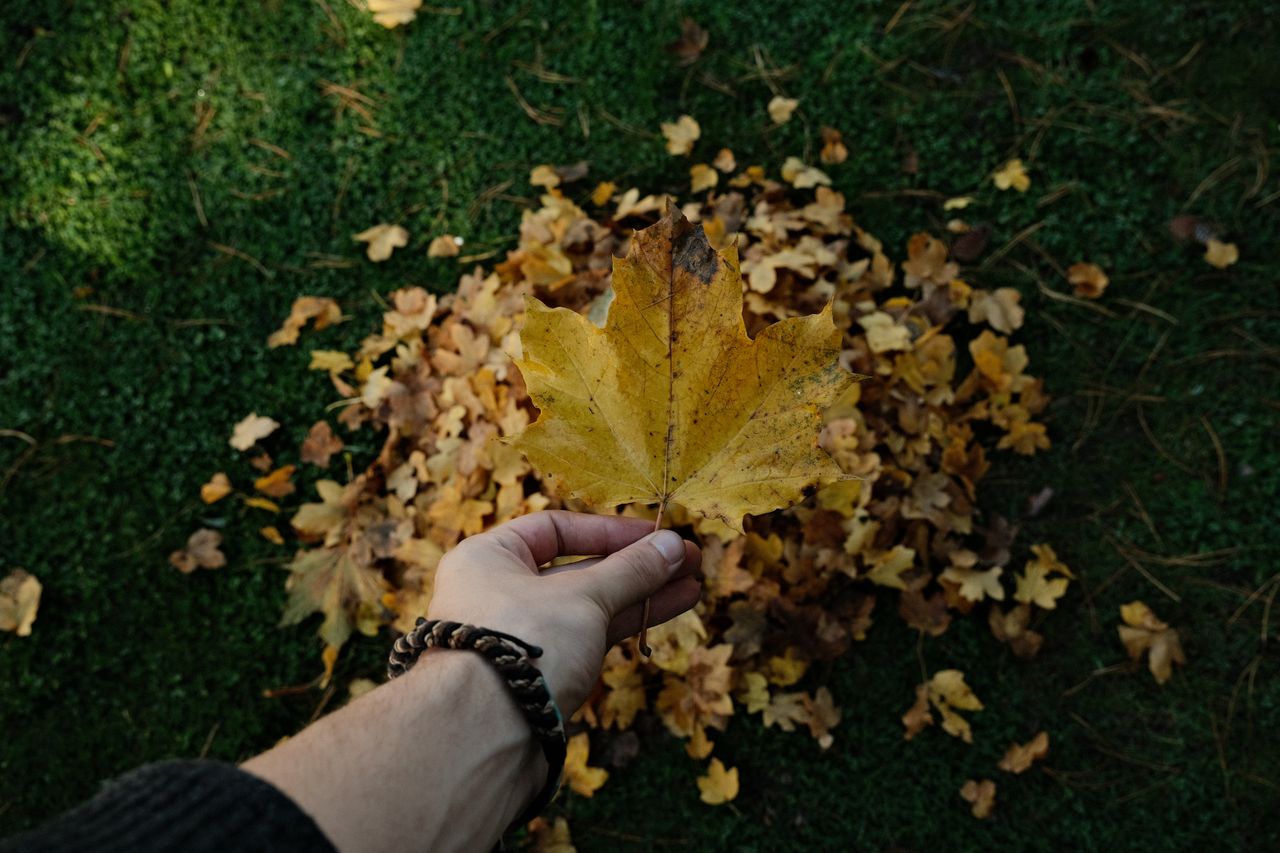
Your lawn may not need as much mowing as it did during summer, but autumn is still an important time for lawn care. Remove fallen leaves regularly so they do not block light and air from reaching the grass.
If the lawn looks tired or has developed bare patches, early autumn can be a good time to overseed. The soil is often still warm, while cooler temperatures and seasonal rainfall can help new grass establish.
A light application of autumn lawn feed may also help strengthen the grass before winter, provided it is suitable for your lawn and used according to the manufacturer’s instructions.
Make Space For Wildlife
Autumn is a valuable season for garden wildlife. Birds benefit from berries and seeds, while insects and other creatures use fallen leaves, plant stems and sheltered corners for food and protection.
Instead of clearing every leaf and cutting back every plant, consider leaving some areas a little untidy. A small pile of leaves beneath a hedge or a quiet corner with hollow stems can provide useful shelter.
If you have space, planting wildlife-friendly shrubs and flowers can also help support birds and pollinators throughout the year.
Prepare Your Garden For Colder Weather
Before winter arrives, check that pots, tools and garden furniture are in good condition. Move tender plants into a greenhouse or sheltered position and protect vulnerable containers from severe frost where necessary.
Clean gutters, check fences and make sure water butts are secure. It is also worth giving garden tools a clean and storing them somewhere dry, ready for the next growing season.
Autumn gardening is all about preparation. A little time spent now can make a noticeable difference when the garden begins to wake up again in spring.
Featured image credit: Mathias Reding via pexels.