A pallet might not seem like the most exciting addition to a garden or allotment, but these simple structures have plenty of potential beyond their original purpose. With a little imagination, they can become practical, affordable and often surprisingly attractive features that make outdoor spaces more useful.
For gardeners working with limited space or a tight budget, reusing materials is an appealing way to get more from what they have. While wooden pallets are popular for DIY projects, plastic pallets can also be useful in outdoor settings where durability and resistance to moisture matter. Whether you’re creating a vertical planter, organising gardening supplies or setting up a dedicated potting area, choosing the right materials can make a real difference.
Making More of Your Outdoor Space
One of the biggest advantages of using pallets in gardens and allotments is their versatility. Their sturdy construction makes them suitable for a wide range of projects, while their open design lends itself to creative growing solutions.
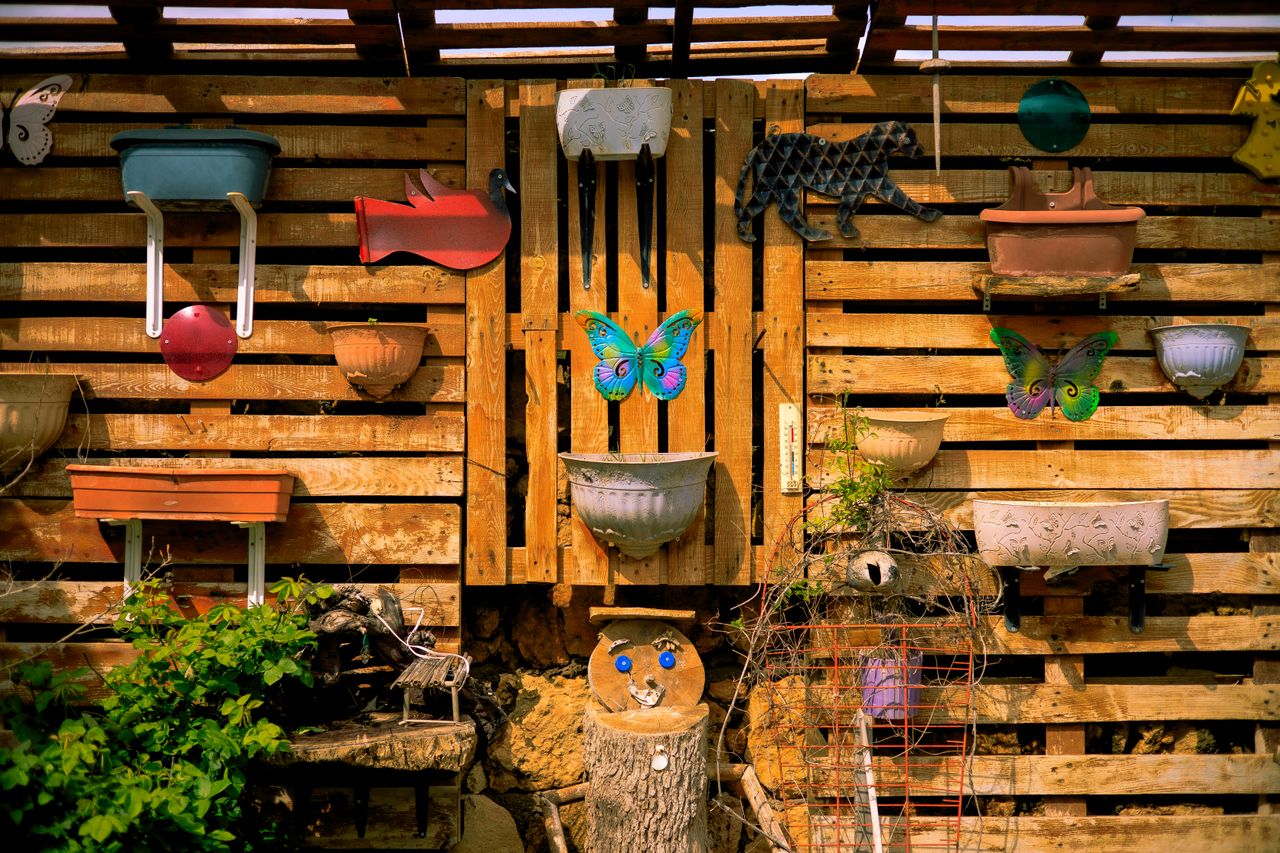
A pallet fixed securely against a wall or fence can become a vertical herb garden, with individual sections providing space for pots or planting pockets. This is particularly useful on small allotments where every square metre counts. Laid flat, suitable pallets can also help define pathways between growing beds, keeping muddy boots away from vegetables and flowers.
Other ideas include using pallets to build raised planters, tool storage, potting benches and simple garden furniture. For allotment holders, they can provide an inexpensive way to organise equipment and keep pots, trays and gardening essentials close at hand.
The key is to think about what the space needs most. A few carefully chosen projects can make a garden easier to manage without filling it with unnecessary structures.
A Practical Approach to Reuse
There is also a sustainability benefit to giving pallets a second life. Reusing suitable materials reduces the need to purchase new timber and helps keep useful resources in circulation for longer. It fits naturally with the principles of gardening, where composting, seed saving and making the most of available materials are already part of the routine.
However, not every pallet is suitable for every project. Check its condition carefully and avoid damaged or contaminated materials, particularly when building features close to edible crops. Wooden pallets should be checked for treatment markings, while plastic alternatives should be suitable for their intended use.
It is also worth considering how materials will cope with changing weather. Timber exposed to rain and damp conditions may deteriorate, whereas suitable plastic pallets can offer greater resistance to moisture and are often easy to clean.
Ultimately, using pallets in gardens and allotments is about combining practicality with a little creativity. Whether the aim is to create more growing space, improve organisation or find a useful second life for existing materials, these humble structures offer plenty of possibilities. Sometimes, the best improvements to an outdoor space begin with something that would otherwise have been overlooked.
Featured image via Pexels.