
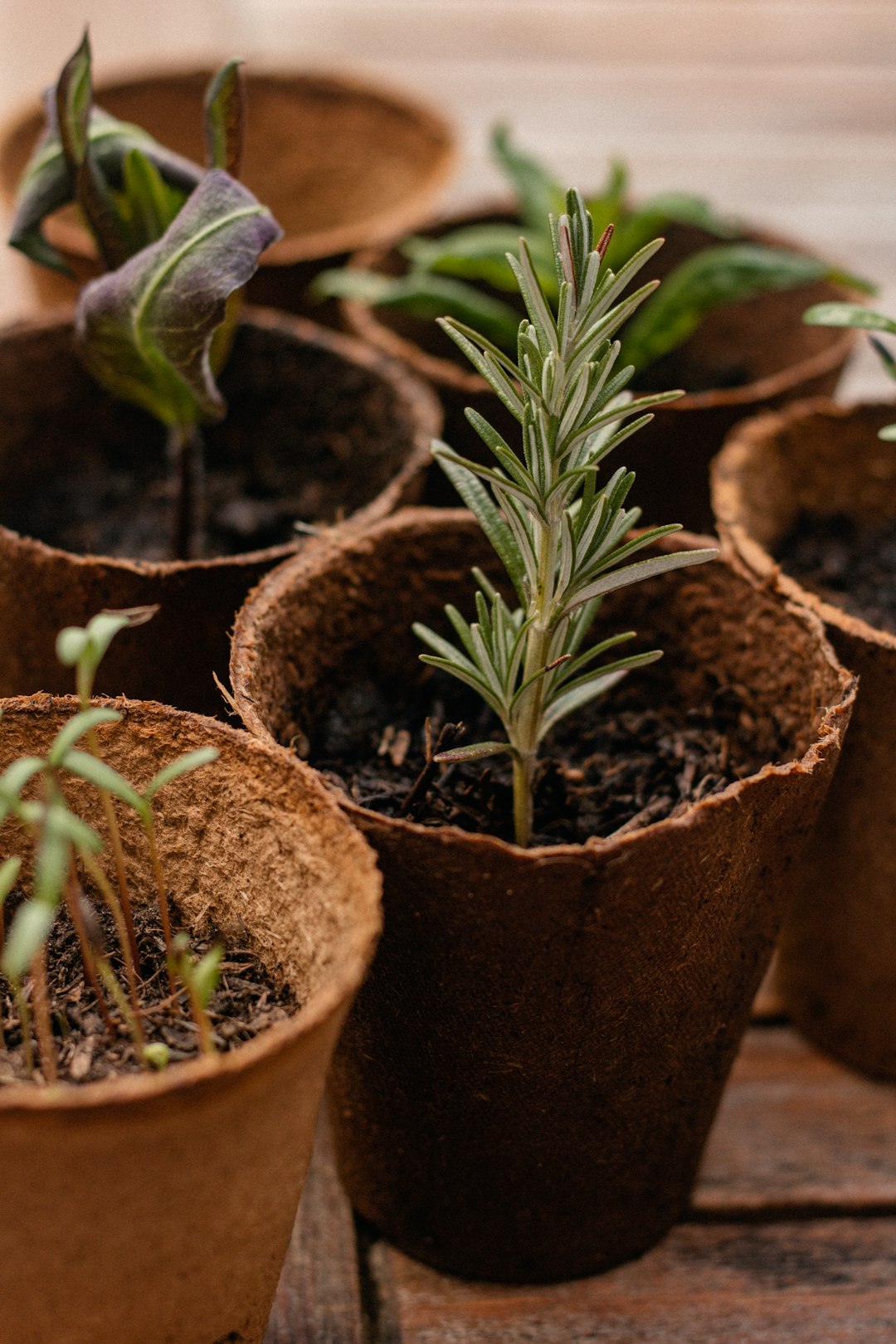
Sustainable gardening has become increasingly important as gardeners look for ways to reduce their environmental impact while maintaining beautiful outdoor spaces. By adopting eco-friendly practices, you can create a thriving garden that supports wildlife, conserves resources, and remains productive for years to come.
What Is Sustainable Gardening?
Sustainable gardening focuses on working with nature rather than against it. The goal is to create a balanced ecosystem that requires fewer external inputs such as chemical fertilisers, pesticides, and excessive water.
A sustainable garden promotes biodiversity, improves soil health, and makes efficient use of natural resources. Whether you have a small urban garden or a large country plot, sustainable principles can be applied to any outdoor space.
Improve Soil Health Naturally
Healthy soil forms the foundation of every successful garden. Instead of relying on synthetic fertilisers, sustainable gardeners focus on building nutrient-rich soil through natural methods.
Adding compost is one of the most effective ways to improve soil structure and fertility. Compost introduces valuable organic matter that helps retain moisture while feeding beneficial microorganisms.
Mulching is another excellent practice. Organic mulches such as bark, leaf mould, and compost suppress weeds, regulate soil temperature, and slowly release nutrients as they break down.
Reduce Water Usage
Water conservation is an essential aspect of sustainable gardening, particularly during warmer months.
Installing a water butt allows you to collect rainwater from roofs and use it throughout the garden. Rainwater is often better for plants than treated tap water and helps reduce household water consumption.
Choosing drought-tolerant plants can also significantly lower watering requirements. Many native species and Mediterranean plants thrive with minimal irrigation once established.
Applying mulch around plants further helps retain moisture and reduces evaporation from the soil surface.
Encourage Wildlife in the Garden
A sustainable garden should provide food, shelter, and breeding opportunities for local wildlife.
Pollinators such as bees and butterflies play a vital role in plant reproduction. Growing nectar-rich flowers can attract these beneficial insects throughout the growing season.
Birds can assist with natural pest control by feeding on insects and caterpillars. Installing bird feeders, nesting boxes, and shallow water sources can make your garden more welcoming.
Leaving a small area of the garden slightly wild can create valuable habitat for insects, hedgehogs, and other wildlife species.
Avoid Harmful Chemicals
Many traditional gardening products can negatively impact beneficial insects, soil organisms, and nearby waterways.
Integrated pest management offers a more sustainable alternative. This approach focuses on prevention, monitoring, and natural controls before considering intervention.
Encouraging predators such as ladybirds, lacewings, and birds can help keep pest populations under control naturally. Hand-picking pests and removing affected plant material are often effective solutions for minor infestations.
Choose Native and Climate-Appropriate Plants
Plants that are naturally suited to local conditions generally require less maintenance and fewer resources.
Native plants have evolved alongside local wildlife and often provide valuable food sources for pollinators and birds. They are also typically better adapted to regional weather patterns and soil conditions.
Selecting climate-appropriate plants can reduce the need for watering, fertilising, and pest management, making your garden more resilient over time.
Compost Garden and Kitchen Waste
Composting transforms organic waste into a valuable soil amendment while reducing the amount of material sent to landfill.
Grass clippings, leaves, vegetable peelings, coffee grounds, and plant trimmings can all be composted successfully. Over time, these materials break down into nutrient-rich compost that can be used throughout the garden.
A well-maintained compost heap supports countless beneficial organisms and creates a closed-loop system where waste becomes a resource.
Create a More Resilient Garden
Sustainability is not about perfection. It’s about making thoughtful choices that benefit both your garden and the wider environment.
By improving soil health, conserving water, supporting wildlife, and reducing reliance on chemicals, you can create a garden that remains productive, attractive, and environmentally responsible for years to come.